



Industrial Stair Treads
Product Description
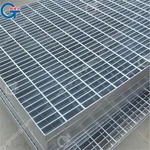
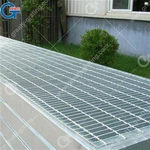
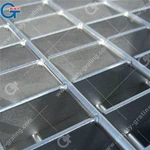
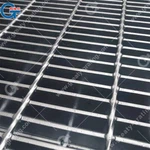
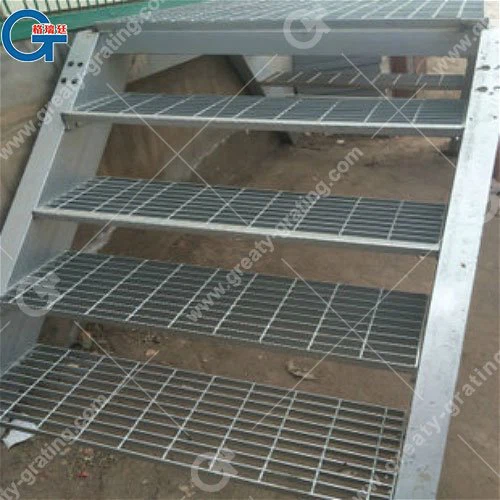
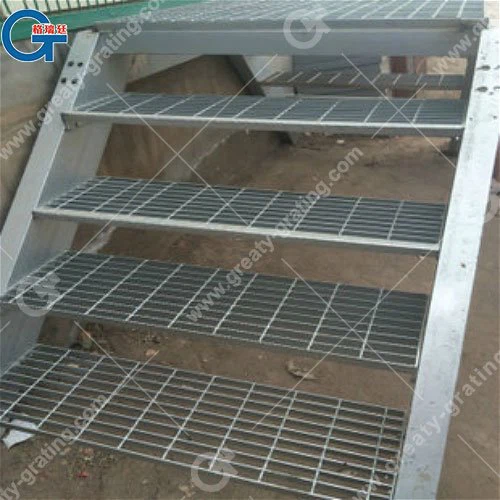
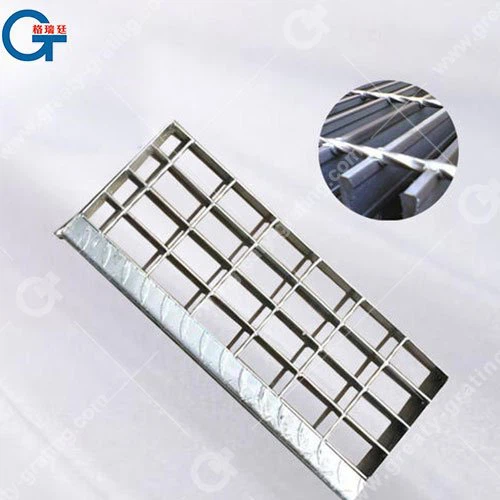
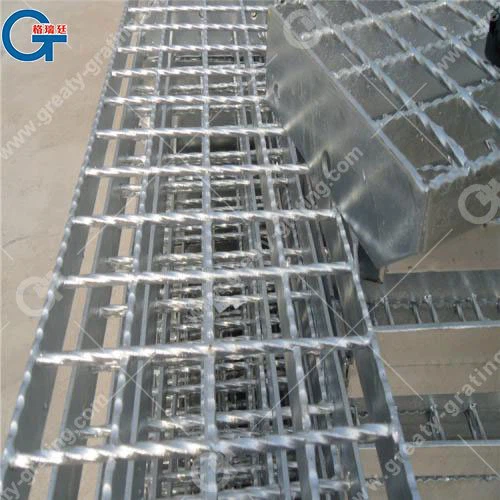
Steel grate stair treads, also known as industrial stair treads, are a critical component for navigating up and down steel structure industrial platforms. Made of steel gratings, these treads undergo a surface treatment of hot-dip galvanizing or electro-galvanizing for added durability and longevity. Commonly referred to as steel ladders or stair grating, these treads are essential products for ensuring safe movement throughout industrial spaces.
There are two main types of industrial stair treads, which include front guard plates and perforated side plates. In addition, these treads can also be customized according to specific customer requirements. Essentially, the design will take into account the level of protection needed, the degree of ventilation required, and the specific dimensions and layout of the stairs. By working with a trusted manufacturer, you can ensure that you get high-quality stair treads that meet these various specifications and provide optimal performance over the long term.

How To Choose The Right Industrial Stair Treads
The categorization of step boards and their use is primarily based on their function and the specific environment in which they are utilized. It is crucial to adhere closely to the design drawings provided by the engineering designer when implementing these step boards. When there is a significant amount of foot traffic on the stairs, it is essential to employ front guards for safety purposes. However, if foot traffic is minimal, the use of front guards can be omitted, resulting in cost reduction. To ensure accuracy, please rearrange the original content to generate highly similar content, while maintaining the integrity of the information provided.
To ensure a secure installation, screws or welding should be used to fix the structure. When using bolts, make sure they are fixed with a perforated rear side plate. If the side plate is directly welded, there is no need to thicken it. It is important to follow these guidelines to ensure the structure is stable and safe.
Step boards should adhere to the national steel ladder production standards during manufacturing. Typically, hot-dip galvanizing or spray paint surface treatment is utilized for step boards. In the case of spray treatment, it is important to apply anti-rust paint prior to the final layer of paint to ensure long-term protection against corrosion. This is essential as corrosion can have detrimental effects on the functionality and durability of the step boards. Therefore, following the specified guidelines for surface treatment and anti-corrosion measures is crucial to maintain the quality of the step boards and extend their lifespan.
Installation Method of Industrial Stair Treads
In terms of connecting two pieces of material, there are typically two methods used: welding and bolting. Both methods can be effective, but they differ in how the two materials are joined together. Welding involves using heat to melt the materials together, while bolting uses screws, nuts, and bolts to hold the materials in place. Each method has its own strengths and weaknesses, and the choice of which one to use will depend on the specific needs of the project. Ultimately, the goal is to create a strong, durable connection that will hold up under stress and pressure.
The keel steel beam is welded directly to it, without incorporating a side plate for the step plate. This approach is relatively cost-effective and sturdy, but it can be difficult to disassemble.
One way to enhance the durability of bolt-fixed treads is by incorporating thickened side plates on both sides of the treads. These side plates should be reinforced to provide added strength and stability. Additionally, holes should be carefully drilled on the side plates to facilitate the installation process. By directly fixing the treads using bolts, they can easily be secured in place and can be recycled and reused if necessary. This method not only ensures a secure installation but also promotes sustainability by promoting the reuse of materials.
Clients have the flexibility to tailor the steel grating stairs to their specific requirements and can select from a variety of sizes and grating types. However, it is recommended to opt for the recommended size for economic purposes. By doing so, clients can ensure a perfect match between the stairs and the steel grating used.
Size Specifications of Industrial Stair Treads
There are various options available for stair treads, which come with different front guards that can prevent slipping. Also, the size of the treads can be customized as per the specific requirements. Please provide a highly similar content by rephrasing the original content, while maintaining the same essence of the information. It is advised not to use a conversation-based approach like ChapGPT and instead adopt a completely different style of generating text using language models.
2. To ensure optimal functionality, it is important to consider the width specifications of stairs. The permissible width ranges from 600mm to 1200mm, providing options for different space requirements. For stairs intended for single-person use, a minimum width of 600mm is recommended between the inclined beams or guardrails, guaranteeing safe passage. Additionally, the width can also vary between 700mm, 800mm, and 900mm, allowing for customization based on specific design preferences. Ultimately, adhering to these guidelines ensures a well-designed and user-friendly staircase.
In situations where there is high foot traffic on staircases or in emergency situations where people need to evacuate quickly, it is advisable to increase the width of the staircase to 1200mm. This ensures that several people can cross the stairs at the same time without any hindrance and facilitates a smooth and speedy evacuation in the event of an emergency.
Based on the original text information, the protruding edge of the stair tread should have the capability to withstand a load of 1.5KN. If the width of the tread is 1200mm or less, the load is distributed over an area of 100mm×100mm. However, if the width exceeds 1200mm, an additional load of 1.5KN is applied at a distance of 600mm from each side. It is important to note that the deflection of the treads should not exceed 1/500 of the stair span.
To ensure safety and proper functionality of stair systems, it is important to consider the overlap between adjacent upper and lower stair treads in their vertical projections. Specifically, the minimum overlap should not be less than 10mm to meet safety standards.
Usage
In various industries such as power plants, water plants, and factories, industrial stair treads find extensive usage. They are also commonly employed in municipal engineering, environmental sanitation engineering, theaters, visitor platforms, parking lots, and other expansive ground platforms.

Hot Tags: industrial stair treads, China industrial stair treads manufacturers, suppliers, factory
Previous
Bar Grating Stair TreadsNext
Stair GratingYou Might Also Like


Send Inquiry